
 Surface Mounted
 Magnetic Light
 Strip Light
 Panel
 Stair Light
 Linear Light
 Track Light
 Emergency Light
 Sensor Light
 Downlight
 Pendant Light
 Indoor wall light
 High Bay Light
 Wall Light
 Pole Light
 Solar Light
 Outdoor Strip Light
 In-ground Light
 Outdoor Surface Mounted
 Floods
 Stand Light
 Underwater Light
 Wall Washer
 Outdoor Pendant Light
 LED Bulbs
 Tube Bulbs
 Decorative Bulb
 Bulb Base
 Enclosed Space Bulbs
 Switches
 Sockets
 Electrical Track Power
 Floor Boxes
 Outdoor Switches
 Smart Switches
 Extension Socket
 LED Power Supply
 Battery
 Profiles
 Drivers
 Magnetic Rail
 Track Rail
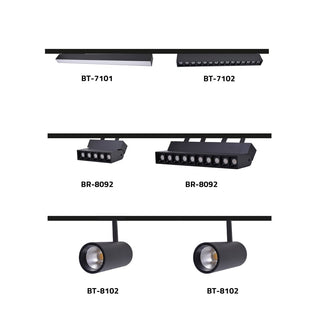
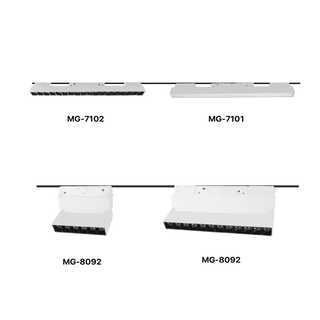
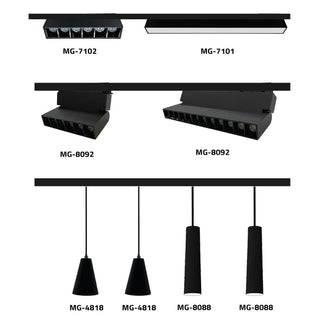
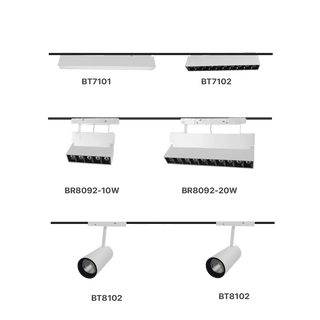

 All Downlight
 Downlight Frame
 Magnetic Track LED Light
 Magnetic Rail
 Track Power Supply
 Track Accessories
 LED Track
 Track Frame
 Track Rail
 All Strip Light
 Strip Light 220V
 Strip Light 24V
 RGB Strip Light
 All Emergency Light
 Exit Sign
 Rechargeable LED
 All Panel Light
 Panel 60x60
 Panel 120x60
 Panel 120x30
 All Surface Mounted Light
 LED Surface Mounted
 Surface Mounted Frame
 Indoor Surface Mounted Light
 Outdoor Surface Mounted
 All Stair Light
 Indoor Stair Light
 Outdoor Stair Light
 Surface-mounted Stair Light
 All Indoor wall light
 All Linear Light
 Linear Pendant Light
 Linear Recessed Light
 Connectable Linear
 All Sensor Light
 Sensor with LED
 Operation Sensor
 Indoor Pendant Light
 Chandeliers
 High Bay Light
 All Wall Light
 Modern Wall Light
 Classic Wall Light
 Copper Wall Light
 Wall Pack
 Flood Light
 Street Light
 All Pole Light
 LED Pole
 Pole Head
 Pathway Light Pole
 Solar Pole Light
 All Stand Light
 All Outdoor Strip Light
 All Solar Light
 Solar In-ground Light
 Solar Street Light
 Soler Wall Light
 In-ground Light
 Solar Spike Light
 All Underwater Light
 All Wall Washer
 All Outdoor Pendant Light
 All Led Bulbs
 GU10 Bulb
 E27 Bulb
 E14 Bulb
 E40 Bulbs
 AR111 Bulb
 MR11 Bulb
 All Tube Bulbs
 T5 Tube
 T8 LED Tube
 Water Proof Tube
 LED Batten
 Frame Batten
 All Decorative Bulb
 All Bulb Base
 All Enclosed Space Bulbs
 All Switches
 Dune Switch
 Innova Switch
 Power Socket
 Electronic Sockets
 All Outdoor Switches
 All Smart Switches
 All Electrical Track Power
 Power Track Sockets
 Floor Boxes
 Floor Box Socket
 All Extension Socket
 Smart Magnetic Light A-Z
 Smart Spot light A-Z
 Smart Strip Light A-Z
 Smart Bulbs A-Z
 Smart Switches A-Z
 Smart Controller A-Z
 Battery
 Profiles
 LED Power Supply
 Power Supply 12V
 Power Supply 24V
 DALI Drivers 0-10V
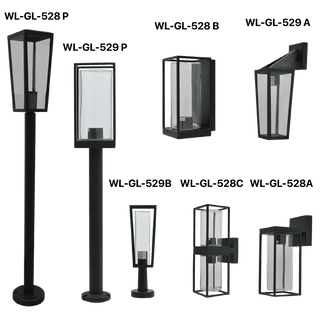
 Modern Outdoor Light (WL-GL family)
 Copper Outdoor Light (3211 Family)
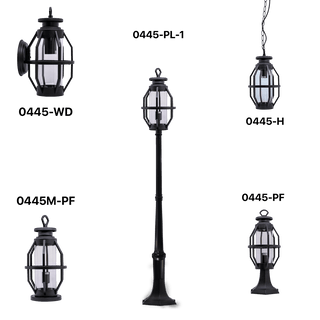
 Lantern Outdoor Light (0445-Family)
 Copper Outdoor Light (3445 Family)
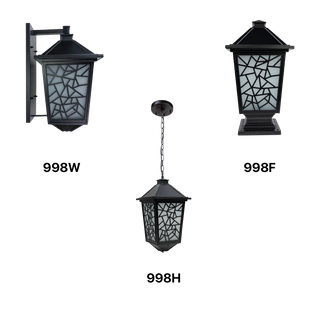
 Outdoor Light E40 (998-Family)
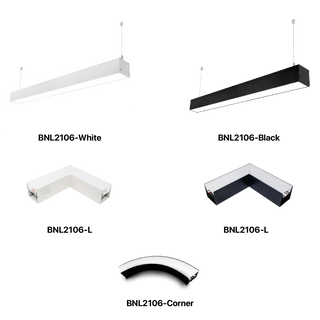
 Connectable Linear Light (BN2106)
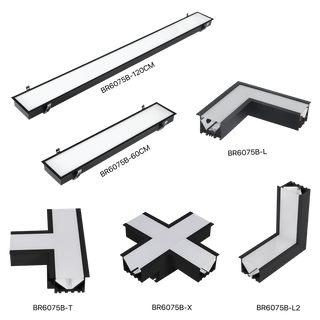
 Linear Light Recessed Connectable (BR6075B)
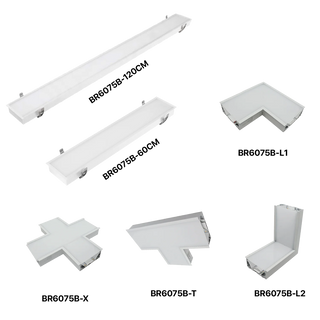
 White Linear Light Recessed Connectable (BR6075B)
 11mm Magnetic Track (BM-Family)
 Pendant Magnetic Track Light (BM3-Family)
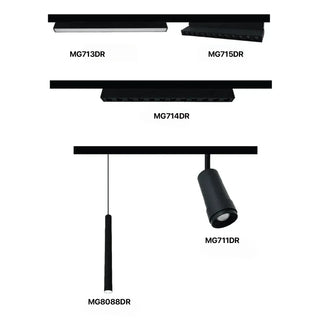
 Ultralight Magnetic Track Light White 20 mm (MG-Family)
 Ultralight Magnetic Track Light 20mm (MG-Family)
 Ultralight Magnetic Track Light 35mm White (BT-Family)

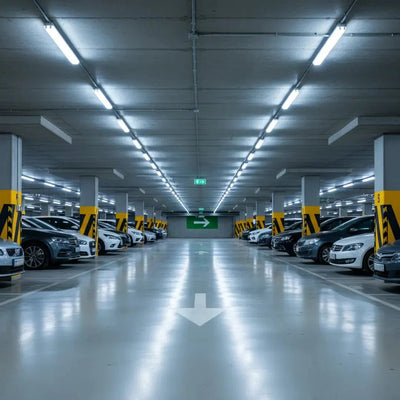
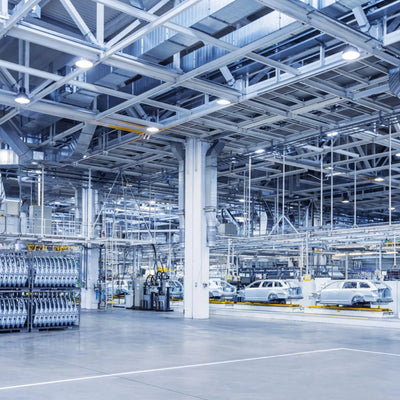
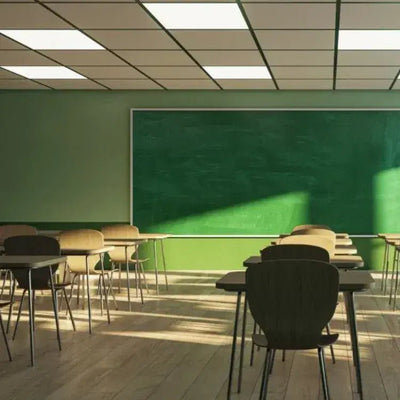
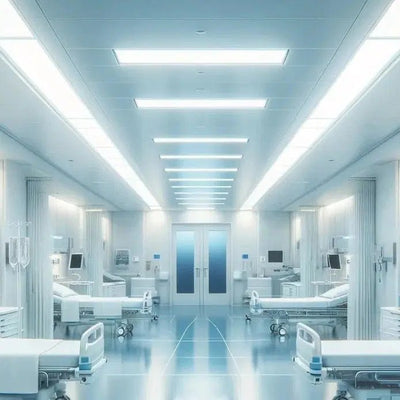
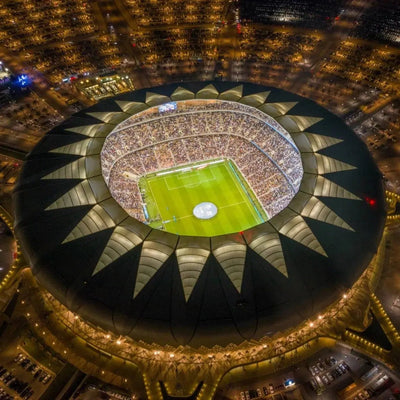
Warehouse lighting decides how fast your team finds stock, how safely forklifts move and how much you pay for electricity every month. Get it right and pickers read labels without squinting. Get it wrong and you end up with dark aisles, glare and constant complaints. This guide explains the light levels warehouses typically need, how to choose beam angle, colour temperature and protection rating, and where an adjustable LED high bay such as the ULTRALIGHT UTL-HD15 fits in.
Quick answer: what to look for in warehouse lighting
- Light level: roughly 150 lx in rack aisles, 200 lx in open storage and 300 lx on busy forklift and loading routes.
- Fixture: an LED high bay. UFO (round) fixtures suit open floors; linear fixtures suit long rack rows.
- Beam angle: narrower for higher mounting and focused lighting, wider for lower ceilings and open areas.
- Colour: 4000K neutral white with CRI 80 or higher suits most storage and picking work.
- Protection: IP65 for dusty or damp areas, and a solid IK rating wherever knocks are possible.
- Output: compare lumens, not watts, and confirm the layout with a photometric calculation.
Why warehouse lighting matters
A warehouse is a workplace, not just a store room. People read labels, walk beside moving vehicles and handle heavy loads for hours. Good lighting supports four things at once:
- Safety: hazards, pedestrians and vehicle routes stay visible.
- Accuracy: labels and barcodes are easy to read, so fewer items are mis-picked.
- Comfort: low glare and even light reduce eye fatigue over long shifts.
- Running cost: LED fixtures use far less power than the metal halide and fluorescent lamps they replace, and they need less maintenance.
How much light does a warehouse need?
Light level is measured in lux (lx) on the surface where the task happens: the floor in an aisle, or the rack face where labels are read. The European standard EN 12464-1 is widely used as a reference for indoor workplaces, and lighting manufacturers' guides built on it give these typical targets:
| Area | Typical target | Why it matters |
|---|---|---|
| Rack aisles (floor level) | about 150 lx | Safe walking and driving, finding stock |
| Open storage areas | about 200 lx | General handling and stacking |
| Busy forklift routes, loading and dispatch | about 300 lx | More movement, more risk, more reading |
| Continuously occupied workstations | at least 200 lx, often 300 lx | Sustained visual tasks such as packing and checking |
| Unmanned or automated zones | about 75 lx | Machines rather than people do the work |
Treat these as starting points, not guarantees. Local codes, client safety rules and insurer requirements can be stricter, so check them before you finalise a design. Also think about vertical light: in racked storage, the light that reaches the rack face matters as much as the light on the floor, because that is where labels are read.
UFO or linear high bay?
LED high bays come in two common forms. UFO (round) fixtures are compact and powerful, and they suit open floors, production halls, workshops and tall ceilings. Linear high bays spread light along their length, which suits long rack rows and narrow aisles. Many sites use both, one for open zones and the other for racking.
Ceiling height matters too. High bay fixtures are generally intended for mounting heights from about 6 metres upward. In lower buildings, lower-output or low bay fixtures with a wider spread usually work better and avoid glare and over-lighting.
Beam angle and mounting height
Beam angle describes how widely a fixture spreads its light. The right choice depends mainly on how high the fixture is mounted and what lies beneath it.
- Narrower beam (around 60°): concentrates light and carries it further, so it suits higher mounting and more focused lighting.
- Wider beam (90° and above): covers a larger footprint with softer, more even light, so it suits lower mounting and open areas.

As a starting point, fixture spacing is often close to the mounting height, but the only reliable way to confirm spacing is a photometric layout (for example in DIALux). The wrong beam angle shows up as dark patches, shadows or glare. Mixing angles by zone is normal on larger sites.
Colour temperature and CRI
- 3000K (warm white): uncommon in storage areas, but useful in showrooms and mixed-use spaces where a warmer look is wanted.
- 4000K (neutral white): the balanced choice for most storage, picking and general work areas.
- 6500K (cool daylight): a crisp, bright look that some teams prefer for task areas, though it can feel harsh over a full shift.
For colour rendering, CRI (Ra) 80 is the usual minimum in storage and warehouse tables. Areas where colours must be judged accurately, such as colour inspection, call for CRI 90 or more.
Compare lumens, not watts
Watts measure the power a fixture draws; lumens measure the light it produces. Two 150W fixtures can deliver very different light, so always compare lumen output and efficacy (lumens per watt) on the datasheet. As a first-pass estimate, the lumens you need at the floor are the target lux multiplied by the floor area. Then allow for losses: not all light reaches the work plane, and fixtures lose output as they age and collect dust. A photometric layout replaces this estimate with a proper calculation.
Durability: IP, IK and operating temperature
- IP65: the fixture is dust-tight and protected against low-pressure water jets. It is a good fit for dusty sites, damp areas, and loading zones that are open to the weather.
- IK08: a rating for impact resistance (the IK scale runs from 00 to 10, and IK08 means the fixture withstands a 5 joule impact). It matters in workshops and wherever fixtures hang low enough to be knocked.
- Operating temperature: air near a warehouse roof can get very hot in summer. Check that the fixture's rated range covers your conditions.
- Lifetime and warranty: compare rated hours, the number of switching cycles and the length of the warranty, not just the purchase price.
Uniformity, glare and controls
- Uniformity: avoid dark gaps between fixtures, especially on rack faces where people read labels.
- Glare: forklift drivers often look up at stacked loads, so use fixtures with diffused optics and avoid bare, harsh sources in the line of sight.
- Zones and sensors: split large halls into zones and use motion sensors in aisles and rarely used areas so lights run only when someone is there.
- Entrances: avoid sudden brightness changes between daylit doorways and the interior, which are a hazard for drivers.
Example: one adjustable high bay for several zones, the ULTRALIGHT UTL-HD15
Real warehouses rarely have a single lighting requirement. Loading bays, open storage, workshops and packing benches each want a different brightness, colour or spread. An adjustable fixture helps here. The ULTRALIGHT UTL-HD15 UFO LED high bay lets you set power, colour temperature and beam angle with DIP switches, so one model covers 18 combinations.

The 18 settings
- Power: 150W, 175W or 200W
- Colour temperature: 3000K, 4000K or 6500K
- Beam angle: 60° or 90°
Light output by setting
| Power | 3000K | 4000K | 6500K |
|---|---|---|---|
| 150W | 12,300 lm | 12,600 lm | 12,600 lm |
| 175W | 14,200 lm | 14,700 lm | 14,700 lm |
| 200W | 15,500 lm | 16,800 lm | 16,800 lm |
Efficacy reaches up to 84 lm/W, colour rendering is CRI 80 and the light source is 504 SMD LEDs.
Where it fits
A UFO fixture with selectable beam suits open storage floors, packing and dispatch areas, workshops and factory halls. Use the 60° setting where you mount higher or want more concentrated light, and the 90° setting for lower mounting and wider, softer coverage. For long, narrow rack aisles, a linear fixture is often the better optic, so confirm the layout before you commit. Because the fixture is adjustable, a contractor can also keep one model in stock and tune it on site instead of ordering different versions for each zone.
Built for tough conditions
- IP65 protection against dust and water jets, and IK08 impact resistance
- Aluminium body with a clear polycarbonate diffuser, in black
- Operating temperature from -30°C to +50°C
- Rated life up to 50,000 hours and up to 25,000 switching cycles
- 5-year warranty
Key specifications
| Voltage and frequency | 220-240V AC, 50/60Hz |
|---|---|
| Power factor and current | 0.9, 910mA |
| Electrical protection class | Class I (requires a protective earth connection) |
| Dimensions | 300 x 300 x 190 mm |
| Weight | 2.22 kg |
A rough sizing example
Say you have an open storage hall of 1,000 m² and a 200 lx target. You need about 200,000 lm at the floor. Assuming a utilisation factor of 0.7 and a maintenance factor of 0.8 (together 0.56), the installed light must be about 357,000 lm. With the UTL-HD15 at 200W and 4000K (16,800 lm each), that is about 22 fixtures, drawing roughly 4.4 kW. These assumptions are illustrative only. Ceiling height, wall and rack colours and obstructions change the result, so use a photometric layout for the final count.
Buying checklist
- Measure the mounting height and floor area of each zone.
- Set a lux target per zone and check local codes and client rules.
- Pick the fixture type: UFO for open areas, linear for racking.
- Choose the beam angle to match height and layout.
- Choose colour temperature and CRI for the task.
- Compare lumens and lm/W, not watts alone.
- Check IP, IK and the rated temperature range for your site.
- Confirm the warranty and rated life.
- Verify the layout with a photometric calculation before ordering.
Frequently asked questions
How many lux does a warehouse need?
As a general guide, about 150 lx on aisle floors, 200 lx in open storage and 300 lx on busy forklift and loading routes. Local codes and your own safety rules may require more.
What is the best colour temperature for a warehouse?
4000K neutral white is the usual balanced choice. 6500K gives a crisper, cooler look, and 3000K is rare in storage areas.
Which beam angle should I choose?
It depends on mounting height and layout. Narrower beams suit higher mounting and focused lighting; wider beams suit lower mounting and open areas.
Do I need IP65 in a warehouse?
Not in every building, but it is a sensible choice for dusty sites, damp areas, wash-down zones and loading areas open to the weather.
What is the ULTRALIGHT UTL-HD15?
A UFO LED high bay with DIP-switch settings for 150W, 175W or 200W, 3000K, 4000K or 6500K, and a 60° or 90° beam, giving 18 combinations in one fixture. It has IP65, IK08 and a 5-year warranty.
How many high bay lights do I need?
It depends on area, target lux, mounting height and surfaces. The sizing example above gives a first estimate, and a photometric layout gives the final number.
Conclusion
Good warehouse lighting starts with the task: set a light level for each zone, then match the fixture type, beam angle, colour and protection to the building. An adjustable high bay such as the UTL-HD15 reduces guesswork because you can fine-tune power, colour and beam on site. Browse the full LED high bay lights collection, or view the UTL-HD15 product page for full details.


